

Pecharmant Region Climate
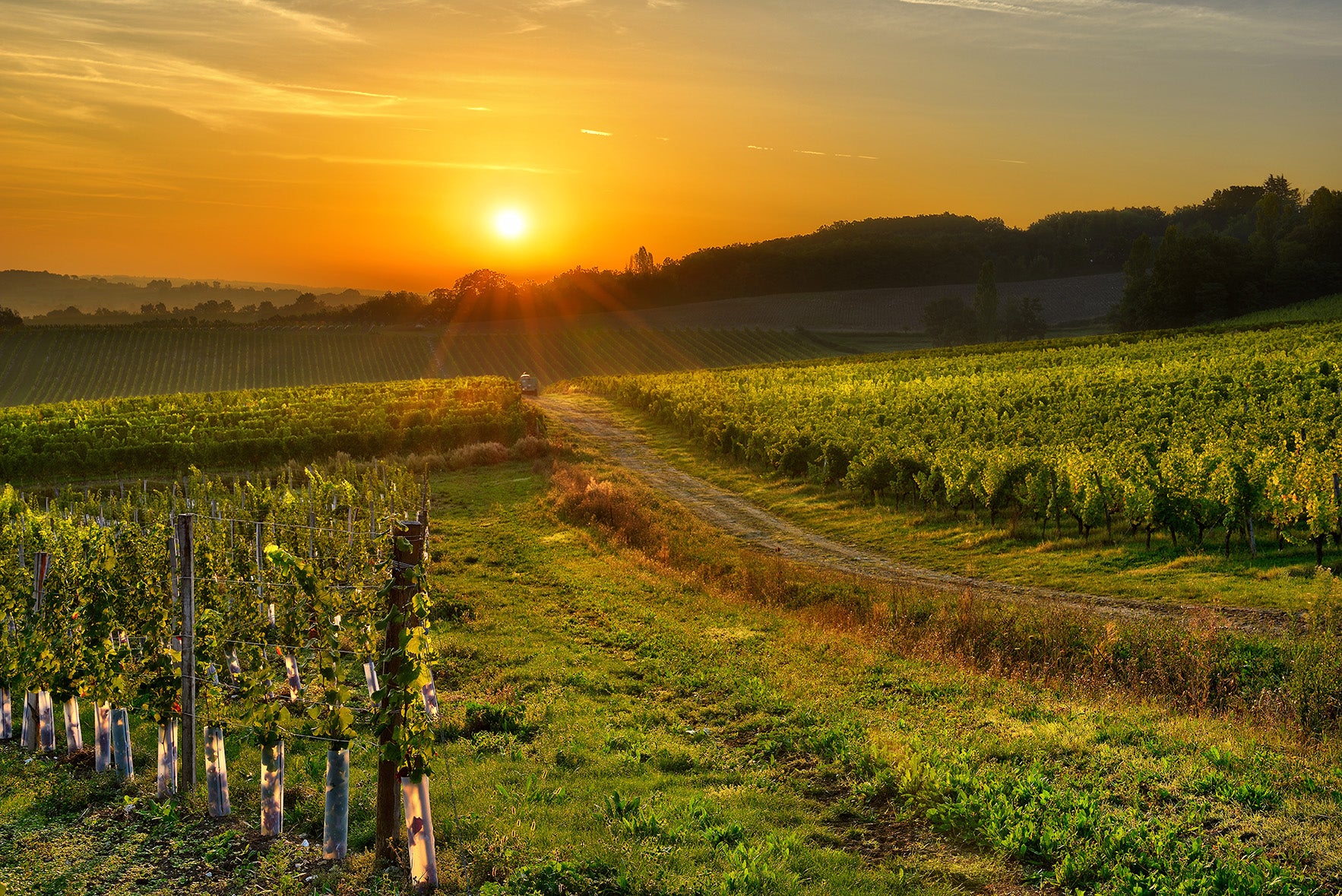
The Pecherment region, located in the southwest of France in the Dordogne department, is celebrated for its unique terroir, which is immensely favorable for viticulture. It is recognized as an Appellation d'Origine Contrôlée (AOC) region for its distinguished wine production, particularly red wines that are known for their bold and structured profiles. The region's climate and geographical characteristics make it a viticultural haven, nurturing the perfect grapes for the production of high-quality wines.

The climate of Pecherment is characterized by a maritime influence, typically described as a temperate oceanic climate. This is characterized by mild winters, warm summers, and moderate rainfall distributed evenly throughout the year. The region is protected from severe weather conditions by its geographical position and the surrounding forested areas, ensuring a stable environment for grapevines to flourish.
In the summer months, the region enjoys plenty of sunshine, essential for the photosynthesis process, enabling the vines to produce high sugar content grapes. This is particularly important for the production of red wines, which require ripe, sugar-laden grapes to achieve the desired bold flavors and high alcohol content. The warm summers also ensure that the grapes reach optimal ripeness, contributing to the quality of the wines.
Winters in Pecherment are mild, which is beneficial for the vines as it reduces the risk of frost damage. Frost can be detrimental to grapevines, causing damage to the buds and vines, which can significantly impact the yield. The mild winter temperatures allow the vines to enter dormancy without the threat of extreme cold, ensuring their survival and subsequent productivity in the following growing season.

The moderate rainfall in Pecherment provides the vines with sufficient water without causing waterlogging or promoting disease, which can be problematic in regions with excessive rainfall. The well-drained soils of the region, typically a mix of sand, clay, and gravel, further prevent waterlogging, ensuring the vines have the right balance of water and oxygen for optimal growth.
The geographical location of Pecherment, on a plateau with gentle slopes, provides another advantage for viticulture. The sloping terrain aids in water drainage and exposes the vines to ample sunlight, promoting photosynthesis and grape ripening. The plateau also experiences a cooling effect from the air, which prevents the grapes from overheating, thereby preserving their acidity and flavor profiles.
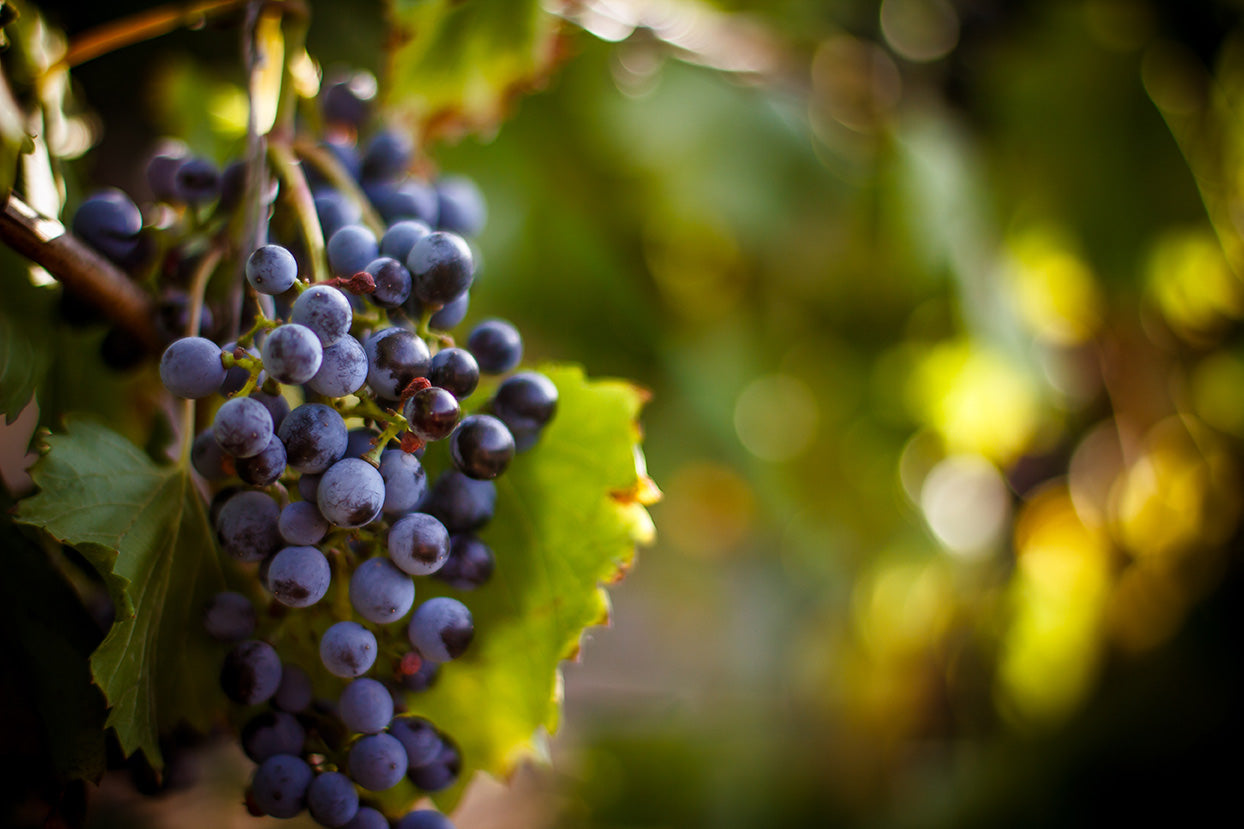
The microclimate of Pecherment, coupled with its unique terroir, creates an environment that allows grape varieties such as Merlot, Cabernet Sauvignon, and Cabernet Franc to thrive. These grapes are typically used in the production of the region's renowned red wines, recognized for their bold and structured characteristics.
In conclusion, the Pecherment region's temperate oceanic climate, geographical features, and unique terroir create a conducive environment for grape cultivation, particularly for the production of high-quality red wines. The combination of warm summers, mild winters, moderate rainfall, and well-drained soils, along with the region's geographical location, provide the perfect conditions for grapevines to thrive, ensuring the production of distinguished wines that reflect the essence of this unique region.
Interested in Pecharmant wine? Visit our online store.
Frequently Asked Questions
Quel type de climat connaît la région viticole de Pécharmant ?
Pécharmant bénéficie d'un climat océanique tempéré, avec des hivers doux, des étés chauds et des pluies bien réparties toute l'année. Les vignes du Château Beauportail profitent de cette influence maritime stable, idéale pour une maturation lente du Merlot et du Cabernet Sauvignon.
Le vignoble de Pécharmant est-il exposé à un risque de gel important ?
Le risque de gel reste limité à Pécharmant grâce à des hivers doux, protégeant les bourgeons et les jeunes pousses. Le Château Beauportail bénéficie de ce climat clément de la Dordogne pour préserver ses vignes de Merlot et de Cabernet chaque hiver.
Les précipitations à Pécharmant sont-elles régulières tout au long de l'année ?
Les précipitations à Pécharmant restent généralement modérées et bien répandues sur l'ensemble des saisons plutôt que concentrées en de courtes périodes. Les vignes du Château Beauportail évitent ainsi le stress hydrique excessif, favorable à une maturation équilibrée du raisin.
Où se situe précisément la zone climatique de l'appellation Pécharmant ?
L'appellation Pécharmant se situe dans le département de la Dordogne, au sud-ouest de la France, sous un climat océanique tempéré. Le Château Beauportail cultive ses vignes de Merlot et de Cabernet Sauvignon au cœur de cette poche climatique privilégiée.
Quels cépages profitent le mieux du microclimat de Pécharmant ?
Le Merlot, le Cabernet Sauvignon et le Cabernet Franc profitent particulièrement bien du microclimat de Pécharmant, où le terroir et une météo maritime stable permettent une maturation homogène. Le Château Beauportail s'appuie sur ces cépages pour élaborer des rouges structurés typiques de Bergerac.
L'océan Atlantique influence-t-il vraiment le climat tempéré de Pécharmant ?
L'influence de l'océan Atlantique joue un rôle réel dans le climat océanique tempéré de Pécharmant, atténuant les excès saisonniers. Le Château Beauportail profite de cet effet côtier pour préserver ses vignes de Dordogne des variations extrêmes observées dans des régions plus continentales.