

About the Pecharmant Region
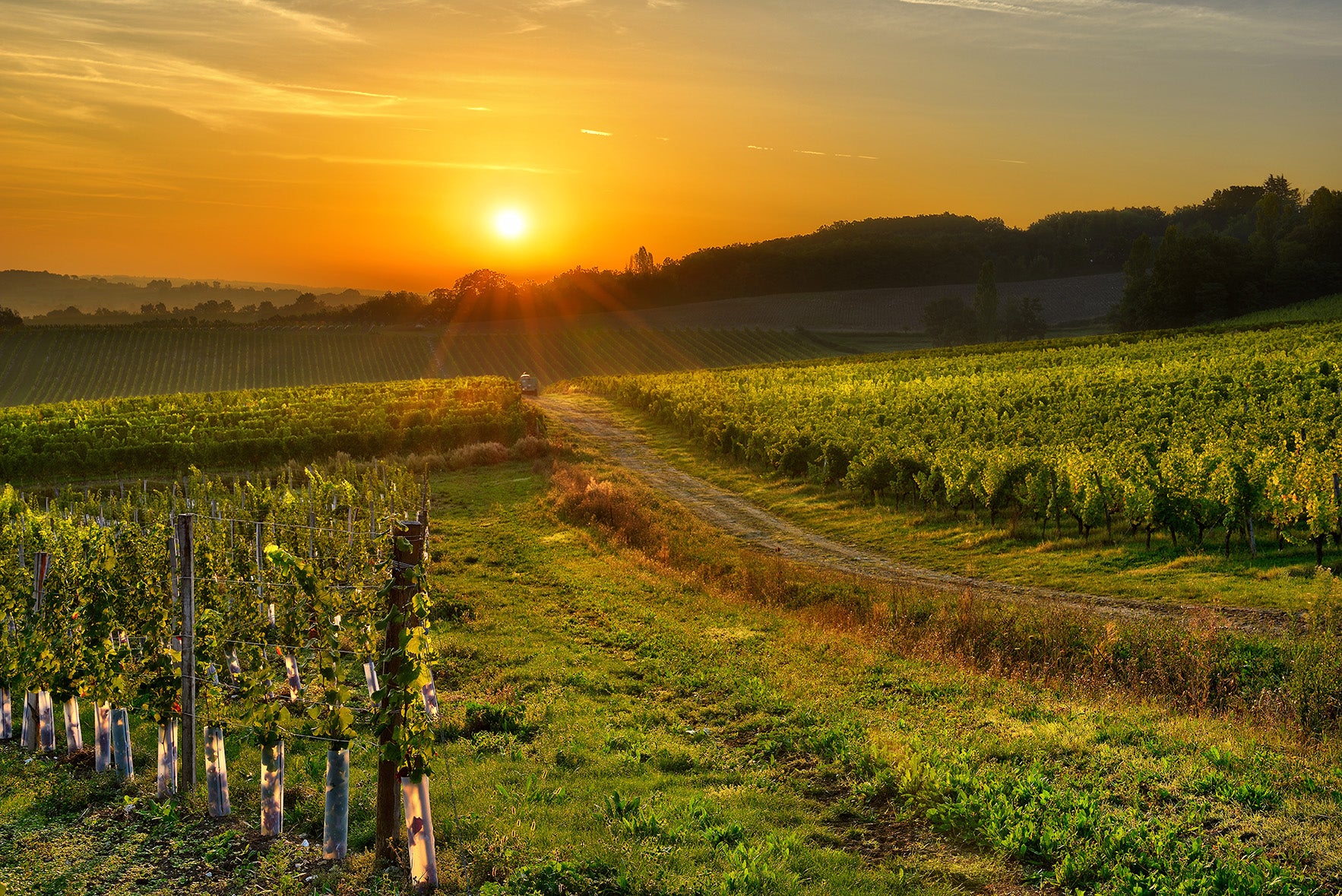
The Pécharmant wine region, nestled in the hills to the North-East of the market town of Bergerac in France, is a beacon of vinicultural charm and tradition. Recognized as an Appellation d'Origine Contrôlée (AOC) since 1936, the region spans a verdant surface area of 400 hectares. The communes of Bergerac, Creysse, and Lembras collectively produce nearly 15,000 hectolitres of red wine, establishing Pécharmant as one of the most renowned wine appellations within the Dordogne region.

The roots of Pécharmant's viticulture can be traced back to the 11th century, making it the oldest collective of vineyards in the Bergerac region. The name "Pécharmant" itself beautifully encapsulates the spirit of the region, derived from the words "Pech," meaning "hill," and "Charmant," translating to "charming." Thus, the region is endearingly referred to as "the charming hill." The vineyards of Pécharmant are favored by ample sun exposure, while the soil, rich with sand and gravel from the Périgord, harbors a deep layer of ferruginous clay known as "Tran." This unique soil composition, coupled with the region's favorable climate, provides an ideal environment for cultivating the vines.
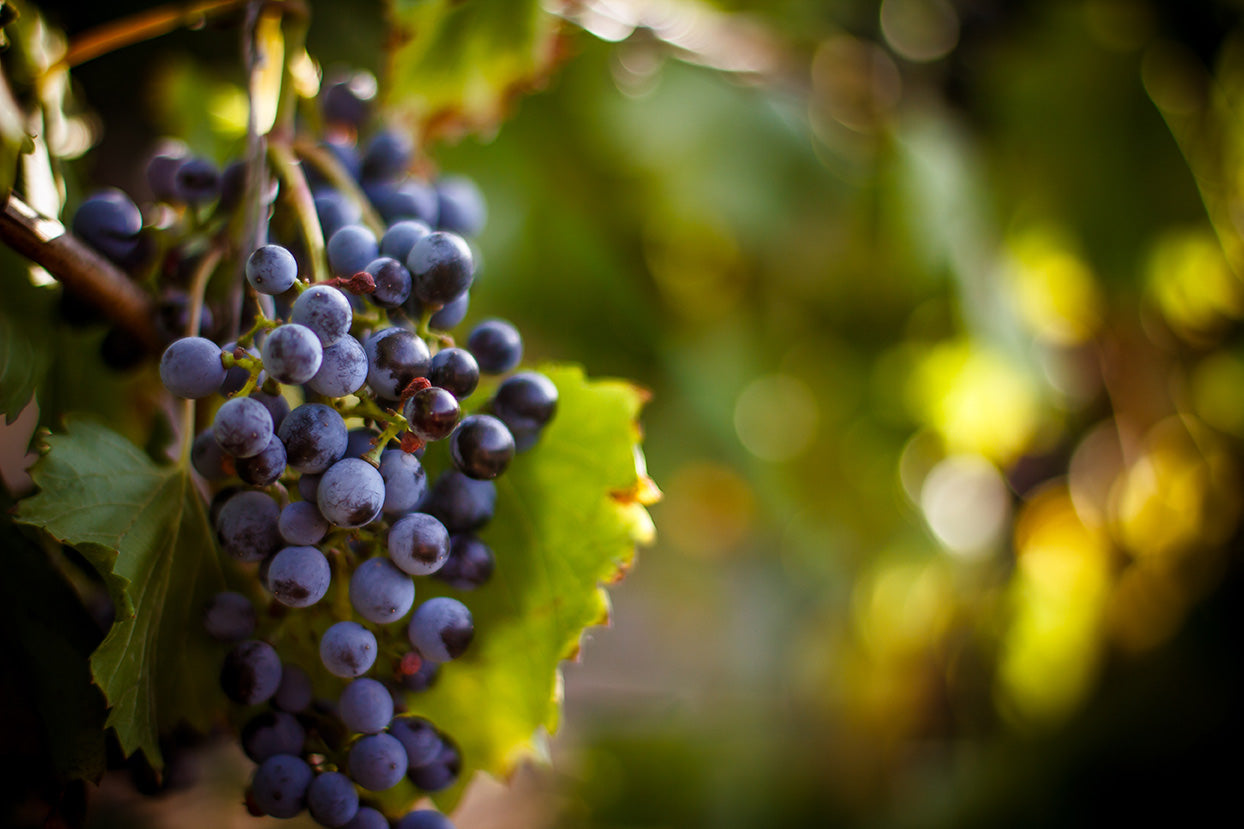
The wine of Pécharmant is a harmonious blend of four grape varieties: Merlot, Cabernet Sauvignon, Cabernet Franc, and Malbec. The result is a robust, full-bodied red wine, typically tannic and radiating a ruby hue. The wine is rich with fruity aromas, and its character can mature gracefully for a period ranging between four to ten years. Pécharmant wine is a versatile accompaniment to a variety of dishes, ranging from game and Périgord charcuterie to confits, duck, red meats, and strong cheeses. Interestingly, the land now used for growing Pécharmant was once utilized to grow grapes for producing Rosette, a delicate white wine also native to the Bergerac region.

The Pécharmant wine region, with its centuries-old traditions and unique terroir, continues to enthrall wine enthusiasts worldwide. Its wines are a testament to the region's heritage and the enduring charm of the vineyards that grace its rolling hills.
Interested in Pecharmant wine? Visit our online store.
Frequently Asked Questions
Quelle est la superficie du vignoble de l'appellation Pécharmant en France ?
Le vignoble de Pécharmant s'étend sur environ 400 hectares entre Bergerac, Creysse et Lembras, produisant près de 15 000 hectolitres de vin rouge par an. Le Château Beauportail cultive une partie de ce terroir restreint du Périgord.
Quels cépages composent un vin rouge de Pécharmant en France ?
Un vin rouge de Pécharmant associe traditionnellement Merlot, Cabernet Sauvignon, Cabernet Franc et Malbec, donnant une robe rubis profonde et des tanins fermes. Le Château Beauportail respecte cet assemblage classique du Bergeracois dans chacune de ses cuvées.
Avec quels plats accorder un vin de Pécharmant en France ?
Le vin de Pécharmant s'accorde naturellement avec le gibier, la charcuterie périgourdine, le confit de canard et les fromages puissants, grâce à ses tanins fermes. Le Château Beauportail recommande ces associations classiques du Périgord pour révéler tout le caractère de ses rouges.
Les terres de Pécharmant ont-elles toujours produit du vin rouge ?
Pas toujours : une partie des terres aujourd'hui plantées en cépages rouges de Pécharmant servait autrefois à produire le Rosette, un vin blanc également originaire de Bergerac. Le vignoble du Château Beauportail a suivi cette évolution vers des rouges structurés.
Pourquoi Pécharmant est-il considéré comme l'un des plus anciens vignobles de Bergerac ?
La viticulture à Pécharmant remonte au XIe siècle, ce qui en fait le plus ancien ensemble de vignobles de la région de Bergerac. Le Château Beauportail perpétue aujourd'hui cette tradition séculaire au cœur des communes de Bergerac, Creysse et Lembras.
Combien de vin rouge l'appellation Pécharmant produit-elle chaque année ?
L'appellation Pécharmant produit environ 15 000 hectolitres de vin rouge chaque année sur ses 400 hectares de vignes. Le Château Beauportail participe à cette production modeste et exigeante, typique du Périgord, privilégiant la qualité plutôt que le volume.