

Grape Varieties Used in Pecharmant Wine
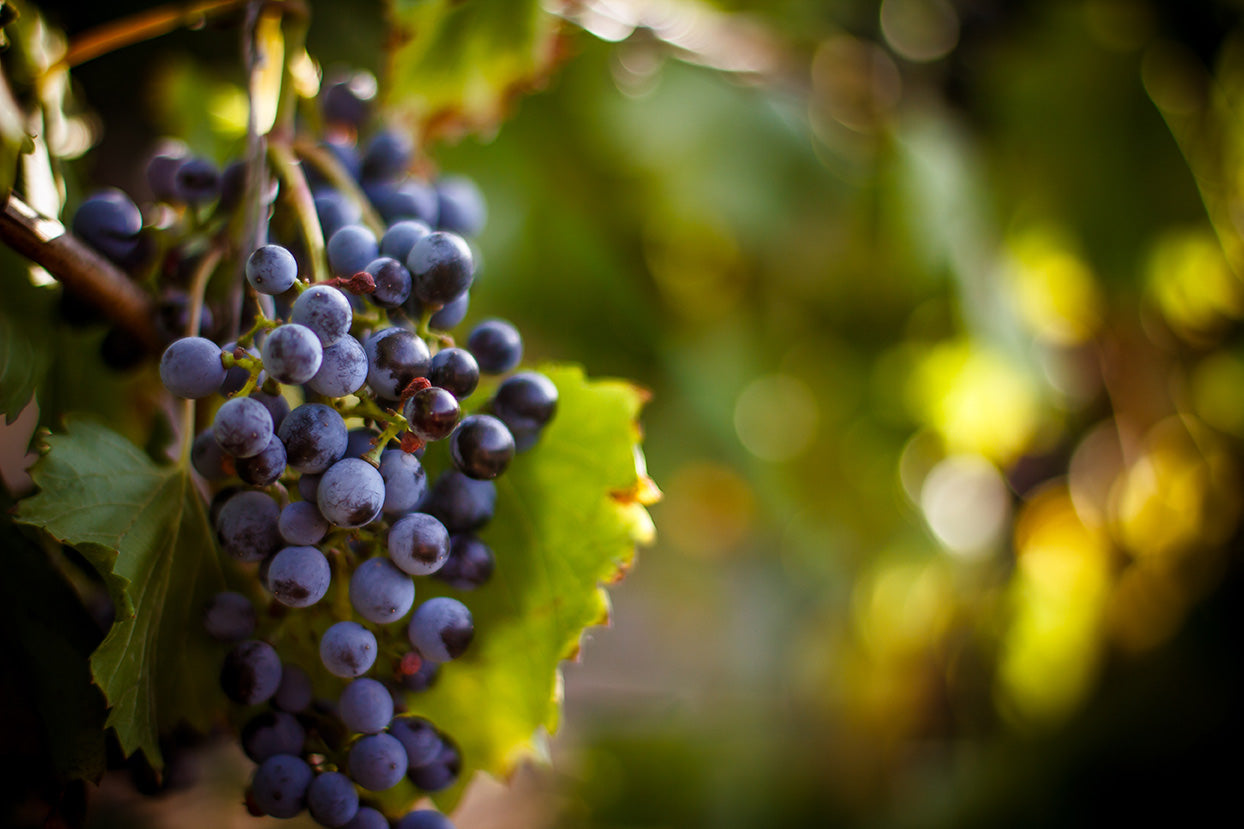
The Pécharmant wine region in France is renowned for its unique blend of four grape varieties: Merlot, Cabernet Sauvignon, Cabernet Franc, and Malbec. This distinctive blend gives Pécharmant wines their characteristic full-bodied, tannic profile, and rich ruby color. Each of these grape varieties contributes to the overall character and complexity of the wines produced in this region.

Merlot is a vital component in the Pécharmant blend. This grape variety is known for its smoothness and roundness, contributing to the wine's overall balance and approachability. Merlot's inherent fruitiness imparts notes of plums, blackberries, and cherries to the wine, which can be further accentuated by the region's sun-soaked vineyards and unique soil composition. The addition of Merlot in the blend ensures the wine's rich fruit-forward characteristics, making it appealing to a wide range of palates.

Cabernet Sauvignon is another integral grape variety in Pécharmant wines. Known for its depth and complexity, Cabernet Sauvignon adds structure and tannins to the blend, providing the wine with its characteristic full-bodied nature. This grape variety imparts flavors of blackcurrant, green bell pepper, and mint, adding a layer of complexity to the wine's profile. The presence of Cabernet Sauvignon ensures that Pécharmant wines have the potential for aging, developing more nuanced flavors over time.
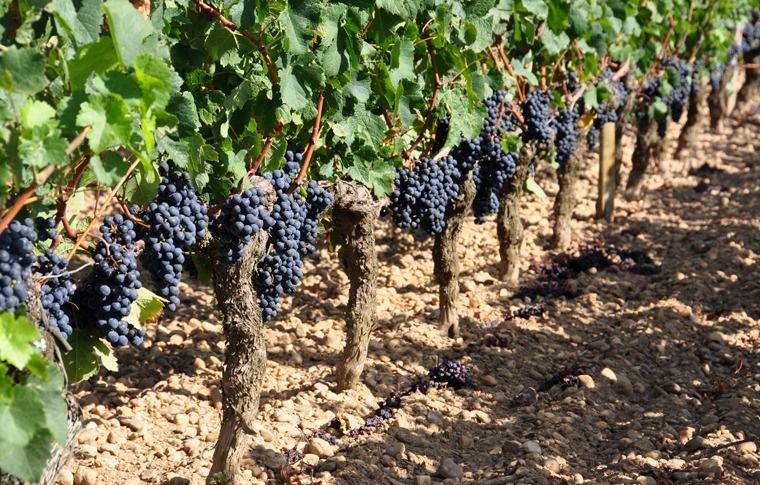
Cabernet Franc, often considered the parent grape of Cabernet Sauvignon and Merlot, plays a crucial role in the Pécharmant blend. It is known for its aromatic and herbaceous profile, introducing notes of raspberry, violet, and graphite, as well as hints of tobacco and bell pepper. Cabernet Franc helps to balance the rich fruitiness of Merlot and the intense structure of Cabernet Sauvignon, adding freshness and a dash of spice to the wine.

Lastly, Malbec, also known as Côt in some parts of France, brings a unique element to Pécharmant wines. Malbec is characterized by its deep color, plush texture, and vibrant flavors of blackberry, plum, and black cherry. It also introduces a hint of spice and an earthy quality to the wine. In the Pécharmant blend, Malbec enhances the wine's color and contributes to its velvety texture and rich fruit flavors.
Each grape variety in the Pécharmant blend adds its unique character, creating a wine that is greater than the sum of its parts. The rich fruitiness of Merlot, the structured complexity of Cabernet Sauvignon, the aromatic freshness of Cabernet Franc, and the vibrant intensity of Malbec come together to produce Pécharmant wine, a true reflection of the region's terroir and winemaking heritage. This synergistic blend ensures a wine that is flavorful, balanced, and capable of aging gracefully, making it a favorite among wine enthusiasts worldwide.
Interested in Pecharmant wine? Visit our online store.
Frequently Asked Questions
Quels cépages entrent dans un assemblage typique de Pécharmant ?
Un assemblage typique de Pécharmant réunit Merlot, Cabernet Sauvignon, Cabernet Franc et Malbec, chacun apportant structure, fruit ou épices au vin final. Le Château Beauportail suit cette formule classique du Bergeracois pour élaborer des rouges à la couleur profonde et aux tanins fermes.
Quel cépage apporte de l'épice à un vin rouge de Pécharmant ?
Le Malbec est le cépage qui apporte le plus souvent la touche épicée présente dans de nombreux Pécharmant, aux côtés du fruit du Merlot et de la structure du Cabernet. Le Château Beauportail assemble ces quatre cépages traditionnels pour une complexité aromatique reconnue.
Comment l'argile bleue influence-t-elle la culture de la vigne à Pécharmant ?
L'argile bleue présente sous les vignes de Pécharmant, appelée localement tran, retient bien l'eau et régule le stress hydrique lors des périodes sèches, concentrant les arômes du raisin. Les vignes de Merlot et de Cabernet du Château Beauportail poussent directement dans ce sol minéral.
Pourquoi les vins de Pécharmant ont-ils souvent des notes de fruits noirs et de terre ?
Les notes de fruits noirs comme la mûre, la prune et la cerise ressortent dans les vins de Pécharmant grâce à l'assemblage des cépages et au terroir d'argile bleue, qui ajoute aussi des touches terreuses et épicées. Les vins du Château Beauportail expriment clairement ce profil, relevé d'une pointe de bois.
Le Cabernet Sauvignon joue-t-il un rôle majeur dans la structure des vins de Pécharmant ?
Le Cabernet Sauvignon apporte l'essentiel de la structure et des tanins fermes d'un Pécharmant, équilibrant le fruit plus souple offert par le Merlot. Le Château Beauportail s'appuie sur cette alliance, avec le Cabernet Franc et le Malbec, pour élaborer des vins destinés à vieillir plusieurs années.
Un vin rouge de Pécharmant peut-il s'améliorer avec plusieurs années de garde ?
Oui, les tanins fermes et la structure minérale issus du terroir d'argile bleue confèrent aux vins de Pécharmant un réel potentiel de garde, s'améliorant souvent après plusieurs années en cave. Les cuvées du Château Beauportail, issues de Merlot, Cabernet Sauvignon, Cabernet Franc et Malbec, sont conçues pour ce vieillissement.